Africa’s internet usage has grown incrementally since 2000. Driven by increased infrastructure, affordable devices, a rise in private sector investments, the popularity of social media, civic-state interactions, the rise in education and economic opportunity, more users have joined the digital highway to reap the opportunities it offers. However, not everyone has been afforded the opportunities with millions remaining unconnected, the gender digital divide remains present, and marginalised populations online (such as refugees and persons with disabilities) remain outside of the digital society in Africa. These challenges and opportunities
As internet penetration in sub-Saharan Africa continues to grow, it is fundamental that the rights which accompany online access are upheld.
However, millions remain offline and those who are online, increasingly, their digital rights are curtailed through the introduction of restrictive laws and regulations. In curtailing digital rights, the true potential of the internet remains largely unrealised.
As governments are now more than ever before, using digital technologies to surveil, censor and suppress fundamental and basic online freedoms of their people through among others financial restrictions, repressive policies and laws that criminalise online communication and dissent, our work aims to push back against these while also promoting an inclusive and effective policy environment.
CIPESA's Role in Promote Digital Rights
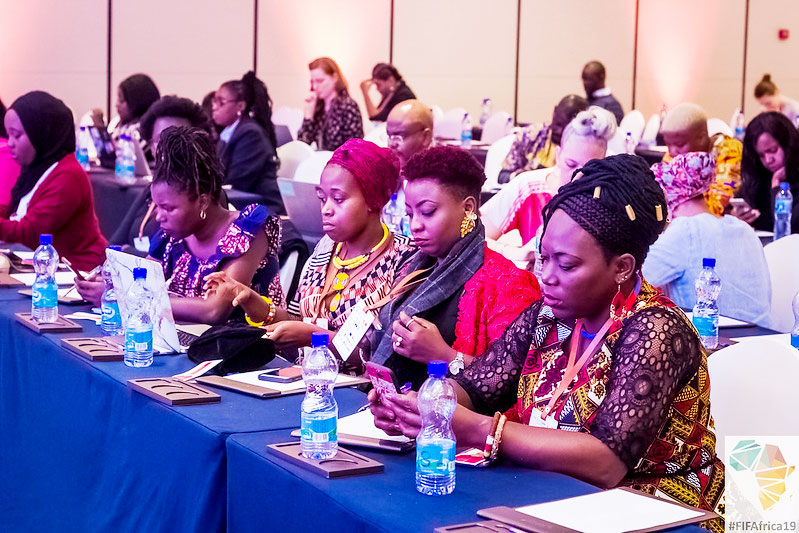
We summate these activities at our annual Forum on Internet Freedom in Africa. We also carry the insights from these activities to national, regional and global fora.
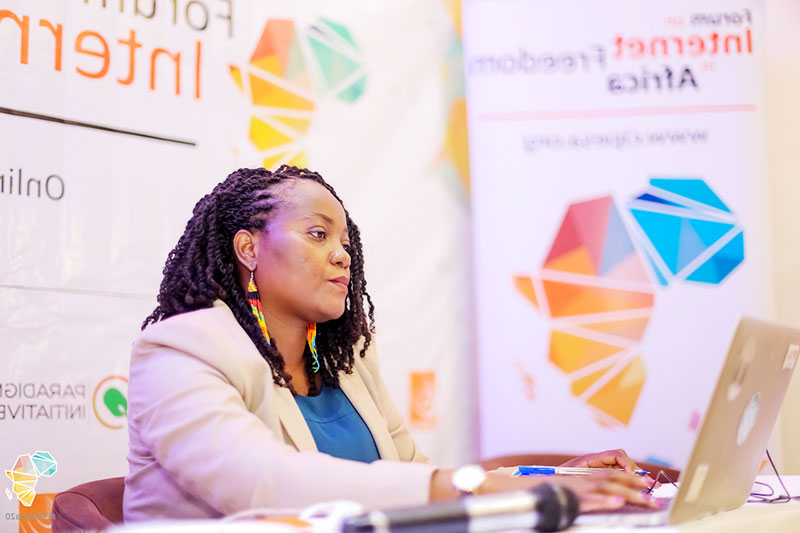
Information and Communication Technologies (ICT) thus have the potential to make significant improvements in the lives of vulnerable and marginalised communities, including human rights defenders, sexual minorities, refugees, journalists, persons with disabilities, women, and youths, through enabling their access to information, in addition to enhancing their social and economic integration.
Limitations such as difficulty in accessing and using digital technologies faced by persons with disabilities, the threats met by journalists and human rights activists, through to the disparities online faced by women and sexual minorities, are just some of the challenges which undermine their participation online – and are often accompanied with few or poorly utilised digital rights related policy interventions including those on affordability, privacy, freedom of expression and access to information.
CIPESA's Role in Promote Digital Inclusion