Stakeholders Call for Digital Transformation That Bridges Business and Digital Rights in Uganda

By CIPESA Writer |

Uganda is embracing the opportunities offered by Artificial Intelligence (AI) and Digital Public Infrastructure (DPI) as drivers of national development. Both promise efficiency, improved service delivery, financial inclusion, and economic growth. However, as the country advances its digital transformation interests, questions linger on the adequacy of safeguards for citizens especially where business and rights intersect.

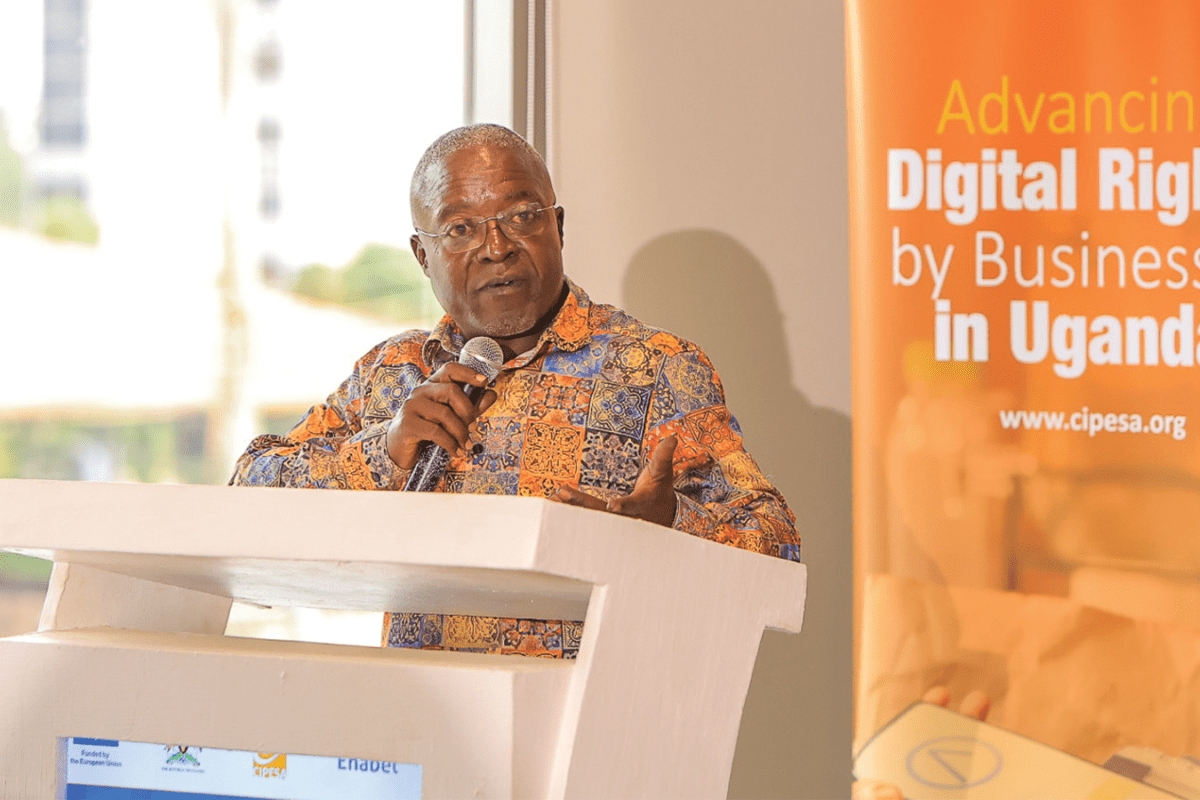
These questions were at the centre of a  High-Level Multi-Stakeholder Dialogue on Business and Digital Rights convened by the Collaboration on International ICT Policy for East and Southern Africa (CIPESA)  on May 7, 2026, under the Advancing Respect for Human Rights by Businesses in Uganda (ARBHR) project, supported by Enabel and the European Union (EU). The dialogue brought together 81 individuals representing government officials, civil society actors, private sector representatives, researchers, and digital innovators to reflect on the growing recognition that digital transformation is not simply a technical process, but also a governance and human rights issue that demands transparency and accountability.

The discussions at the dialogue revealed a tension between innovation and human rights. Systems such as digital identity (ID), payment platforms, and data-sharing frameworks   centralise enormous amounts of personal data and are reshaping power relationships between citizens, the government, and corporations.

Participants noted that in the absence of strong governance frameworks, these systems can enable exclusion, surveillance, and misuse of personal information. Further,  concerns were raised about fragmented systems across government agencies, weak interoperability, and limited public awareness regarding how personal data is collected, stored, and shared.

Meanwhile, as emerging technologies such AI take hold in the country,  the Uganda National AI Landscape Assessment positions  AI as a key digital technology driver to drive economic growth.

However, the Assessment documents the absence of a dedicated AI policy and regulatory framework, a shortage of AI skills, and insufficient collaboration between academia and the technology sector. Similarly, like its counterpart governments across Africa, Uganda is increasingly investing in DPI systems including digital ID and payment systems,  as well as data exchange frameworks. DPI is being positioned as a key pillar of digital transformation strategies across Africa. However, DPI  systems remain heavily reliant on public data and algorithmic decision-making. Thus, if   designed and deployed without sufficient citizen participation, independent oversight, legal safeguards, and alignment with the public interest, they risk becoming tools of exclusion, exploitation, and foreign dependency.

Various efforts related to the adoption of emerging technologies are underway.  Ambrose Ruyooka, the Assistant Commissioner at the Ministry of ICT and National Guidance, Uganda noted that the Ministry is taking a cautious approach to regulation by prioritising standards, policy guidance, and institutional learning before introducing binding laws. This includes efforts to domesticate the UNESCO Recommendations on the Ethics of AI and a Readiness Assessment process. The dialogue also came on the heels of the Ministry’s call for stakeholder input to the National AI and Emerging Technologies Strategy – signaling a growing policy focus on responsible digital transformation.

Further he stressed that in the midst of AI, stakeholders should not be “passive consumers” of the digital economy but actively “participate in shaping it” while pointing out that participation requires local technical capacity to “build, operate and audit” systems such as AI and DPI systems independently.While government efforts are laying the foundation for AI governance, businesses also have an obligation to innovate responsibly and adopt robust human rights due diligence processes to support regulatory compliance and foster trust and sustainability.

At a broader level, the dialogue demonstrated how digital rights are increasingly intertwined with economic rights and social justice. As a result, corporate responsibility can no longer be limited to traditional labour or environmental concerns. Companies are now expected to consider how their digital operations affect privacy, equality, freedom of expression, and access to information.

This shift is especially significant for Uganda’s small and medium enterprises (SMEs), many of which are digitising rapidly but often lack the resources and expertise needed to manage cybersecurity and data effectively.

Presentations from implementing partners, including the Private Sector Foundation Uganda (PSFU), Evidence and Methods Lab (EML), Wakiso District Human Rights Committee (WDHRC), Boundless Minds, and Girls for Climate Action (G4CA), highlighted both the scale of the challenge and the potential for practical intervention. Partner interventions on digital rights and cybersecurity are strengthening awareness and practices among entities – both rural and urban.

The European Union’s (EU) Commitment to Human Rights in Business

Laurianne Comard, Programme Officer at the EU Delegation to Uganda,  noted that the EU and its member states are currently among Uganda’s largest investors in the private sector, with over 1.4 billion euros deployed to foster sustainable economic growth and high-value exports. Specifically, she stated that the EU supports Uganda’s National Action Plan (NAP) on Business and Human Rights with over 20 billion Uganda Shillings, with a specific focus on strengthening human rights practices in business operations, particularly around labour standards and women’s rights.

Course-Correcting on Inclusion

Participants also noted that public participation in digital governance remains limited. Several civil society actors argued that consultations around national AI strategy have not been broad enough, particularly for rural communities, labour unions, youth groups and persons with disabilities. Frameworks developed without broad public engagement risk lacking legitimacy and failing to address the lived realities of those most affected.

The dialogue also reflected on the NAP on Business and Human Rights and the consultative processes underpinning its evaluation and development of NAP II. Lydia Nabiryo, Assistant Commissioner at the Ministry of Gender, Labour and Social Development, acknowledged that the government is actively working to broaden participation in the NAP’s revision.

Her remarks were a candid recognition that the first NAP, while a significant milestone, left representational gaps, and that those gaps are now being deliberately addressed. She noted, “If you have noticed this time round, we are having a more inclusive dialogue with stakeholders that were not necessarily represented in the first NAP. So, not only is the government evaluating, but we’re also course correcting.”   

Participation should not only be limited to policy processes. Shane Ssenyonga, an innovator, pointed out the need for collaborative spaces that support entrepreneurs and businesses to build scalable solutions that are responsive to social, cultural, and economic realities.

Recommendations for Action

The dialogue called for stronger human rights safeguards and access to remedy within digital transformation strategies and business operations. The strategies should be in harmony with existing digital laws and policies and strengthen oversight and enforcement by relevant institutions. For businesses, adoption of forward looking internal policies and risk management practices was emphasised to ensure trusted deployments and reduce barriers to uptake. Advocacy, documentation, and digital literacy interventions remain critical to public education and compliance monitoring.
Building Digital Safety and Agency for Young Women in Somalia

By Digital Shelter |

Digital inclusion is often framed as access and numbers – how many people are trained, device ownership, and how many users are connected. In Somalia, however, the reality is far more complex. While recent data suggest that internet penetration has reached approximately 55 percent of the population, and there are over 10 million internet users, social media adoption remains low and skewed toward male users, with women constituting a smaller proportion of those who are online.

Meanwhile, the political and civic space remains constrained. Due to protracted conflict, fragmented governance and insecurity, Somalia is classified as “Not Free” in global democracy assessments. The country also ranks near the bottom in press freedom indices, with journalists and media houses facing threats, harassment, arbitrary closures, and censorship pressures, particularly in conflict-affected regions, making open expression online and offline perilous.

Young Somali women are joining digital spaces shaped by these fragile conditions, coupled with unequal power relations and persistent safety concerns. Many are navigating unstable job markets, expectations to contribute to family livelihoods, and social norms that continue to question women’s visibility and voice, both online and offline. In such a context, digital upskilling is not merely technical but rather deeply social, economic, and political. If approached narrowly, it risks reproducing existing exclusions by focusing only on tools and outputs.

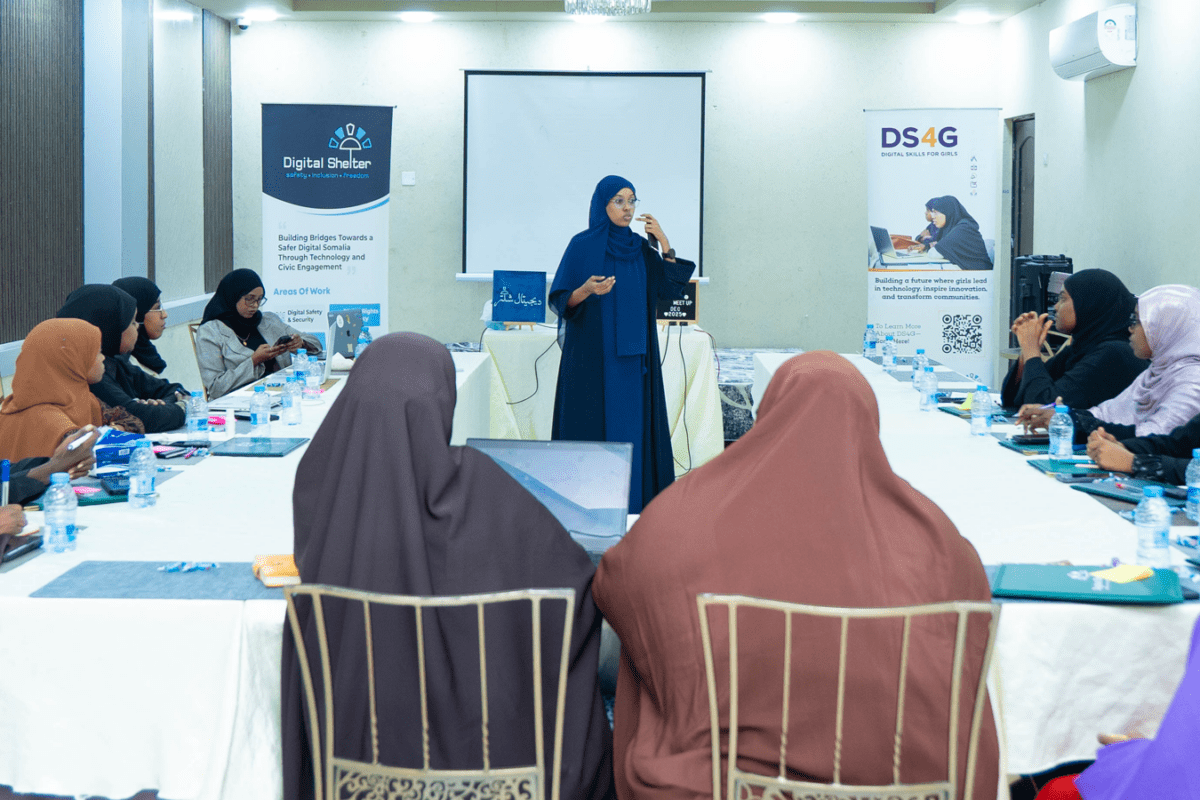
The Digital Skills for Girls (DS4G) programme by Digital Shelter is designed with this in mind, treating digital skilling and inclusion not as isolated competencies but as entry points into broader questions of participation, agency, and voice within Somalia’s evolving digital ecosystem. Combining practical digital skills, digital safety and rights awareness, DS4G has supported 35 women and girls, conducted monthly meet ups and stakeholder engagements to empower young Somali women.

With initial funding from AccessNow in 2024, the US funding cuts affected the continuity of DS4G. A discretionary award under the Africa Digital Rights Fund (ADRF) – an initiative of the Collaboration on International ICT Policy for East and Southern Africa (CIPESA)—supported continued implementation through 2025.

As noted by Ali, “At a time when many organisations were forced to scale back activities due to funding instability, CIPESA’s discretionary support allowed Digital Shelter to remain operational and responsive, ensuring that young women continued to access skills and learning spaces designed to support meaningful participation in digital, social and civic life”. He added that through DS4G, Digital Shelter had strengthened its role as a trusted, women-centered digital rights actor with a replicable programme model.

The DS4G’s sessions included graphic design, personal branding, emerging technologies, data protection and privacy, online threats and risks, and career development. A key component of DS4G was the Cyber Safety for Women event, which reinforced digital safety as a collective concern. The event featured a documentary screening on lived digital experiences and panel discussions on gender, online safety, and participation.

“DS4G recognised that technical skills alone are insufficient unless young women are also equipped to navigate digital environments safely, communicate confidently and position themselves for future opportunities,” said Digital Shelter’s Executive Director, Abdifatah Ali.

According to Digital Shelter, the inclusion of graphic design in the DS4G programme was a strategic one. The team argues that sitting at the intersection of creativity, communication, and influence, design shapes how information is interpreted, whose stories are amplified, and which messages gain traction. For the participants of DS4G, many of whom were students or recent graduates, it offered an accessible entry into digital work.

“As the training progressed, participants moved beyond executing tasks to interrogating purpose and impact, asking who messages are for, what they communicate, and how design can support causes, campaigns, and community conversations,” said Ayan Khalif, Digital Shelter’s Program Manager.

Indeed, participant feedback reflects positive outcomes – both skills acquisition and agency. “Before this project, I used social media without thinking much about safety. Now I understand how to protect myself online and how important digital security is for women like us,” said one participant. As part of reflection exercises, participants explored how design could support community initiatives, advocacy efforts and communicate messages. Another participant stated, “The monthly meetups helped me gain confidence. Speaking in front of others was difficult at first, but now I feel more comfortable expressing my ideas.”

The DS4G initiative has empowered a cohort of young women to navigate digital spaces with confidence and security, equipped with skills to exploit economic opportunities, advocate for change, and engage safely and confidently in community affairs.

CIPESA Celebrates Africa’s Changemakers in the Disability Digital Rights Space

By Paul Kimumwe |

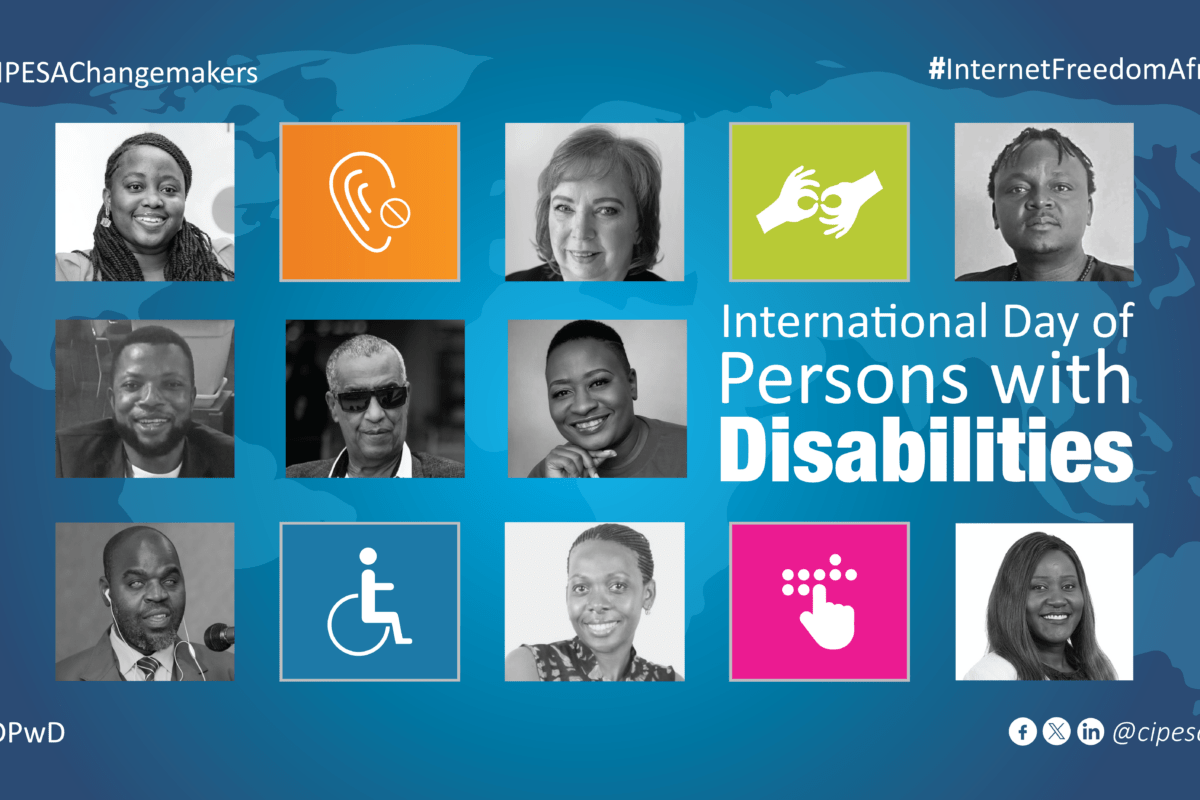
As part of events to mark last year’s (2025) International Day of Persons with Disabilities, the Collaboration on International ICT Policy for East and Southern Africa (CIPESA) documented reflections and insights from several individuals who have been instrumental in shaping the digital rights of persons with disabilities in Africa.

Over the last few decades, the rights of persons with disabilities have remained constrained. It has been more than 30 years since the United Nations General Assembly designated December 3 as the International Day of Persons with Disabilities, with the goal of raising awareness about the rights and well-being of persons with disabilities. In 2006, the United Nations adopted the Convention on the Rights of Persons with Disabilities (CRPD) to ensure that the human rights and fundamental freedoms of persons with disabilities are promoted, protected, and fully and equally enjoyed.

Over the years, other global and regional frameworks, including the Protocol to the African Charter on Human and Peoples’ Rights on the Rights of Persons with Disabilities in 2018, the 2030 Agenda for Sustainable Development, and the Marrakesh Treaty in 2013, were adopted to augment the rights of persons with disabilities at all levels.

While several African nations have adopted disability-friendly legislation, achieving meaningful implementation remains a challenge. At the regional level, it took more than six years for the African Disability Rights Protocol to come into force due to the failure to secure the required 15 member state ratifications. 

As the continent embraces digitalisation, many persons with disabilities are increasingly getting left out due to the inaccessibility of the new technologies, discriminatory implementation practices, and the high costs of connectivity.

Despite these challenges, several stakeholders have been at the forefront of ensuring that persons with disabilities are not left behind. They include persons with lived experiences, academics, civil society advocates, and government officials. Over the coming weeks, CIPESA will share the profiles, experience, and insights of changemakers who have made an impact in shaping the digital rights for persons with disabilities in Africa. Our hope is that these reflections will continue to inspire disability rights actors to build and foster collaborations and partnerships that advance and promote disability rights in Africa. These include

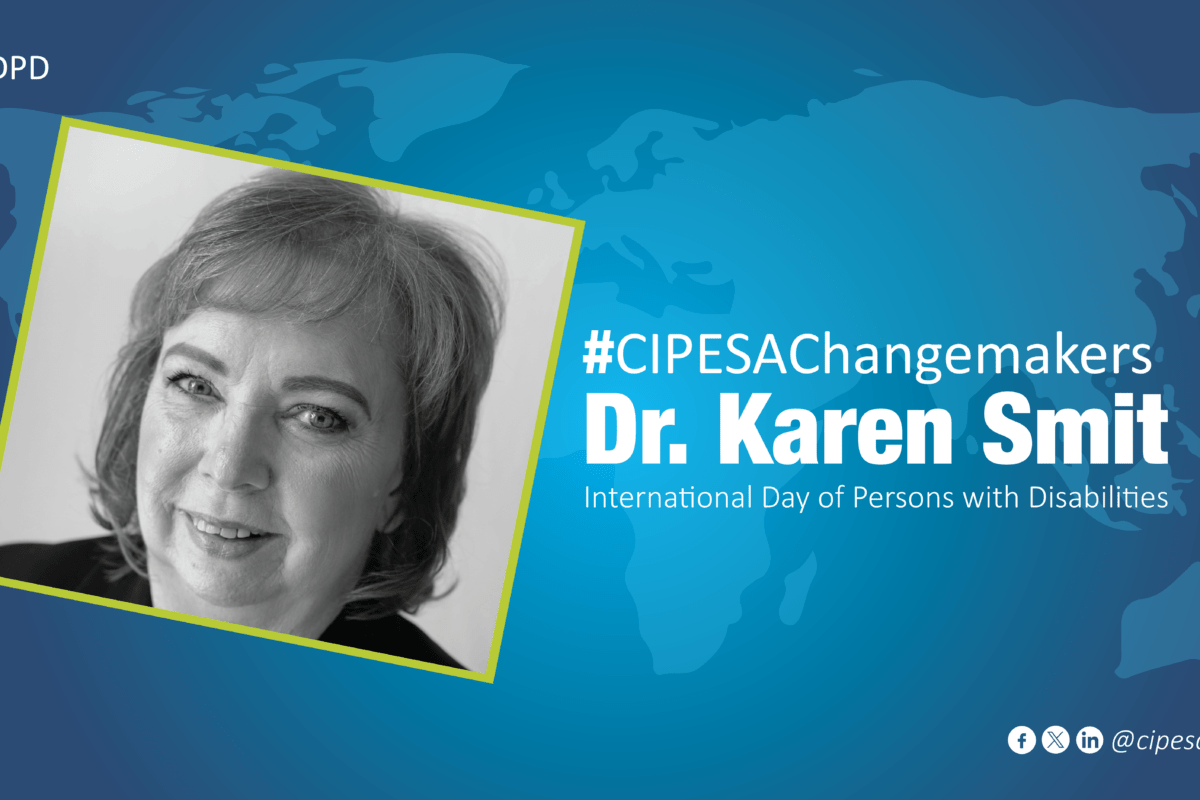
  1. Dr. Karen Smit, PhD, Accessibility Lead | Group External Affairs | Chairperson: Vodacom Africa Accessibility Forum
  2. Samantha Sibanda, Founder and Executive Director, Signs of Hope Trust, Zimbabwe
  3. Dr. Abdul Busuulwa, PhD, Lecturer, Kyambogo University in the Department of Community and Disability Studies, and Board Member, CIPESA, Uganda.
  4. Dr. Dianah Msipa, PhD, Manager, Disability Rights Unit/Postdoctoral Fellow: Center for Human Rights, University of Pretoria.
  5. Ahouty Kouty, MA, Founder and Executive Director, Action et Humanisme, Ivory Coast.
  6. Sarah Kekeli Akunor, Lead, Inclusion, Gender, and Safeguard at Mastercard Foundation’s Alumni Network Committee | Secretary for Gender, Equity, and Inclusion at the Ghana Youth Federation.
  7. Mohamed Kimbugwe, Digital Governance and Innovation Advisor/DataCipation, GIZ African Union.
  8. Berhanu Belay Wondimagegne, Executive Director, TOGETHER, Ethiopia
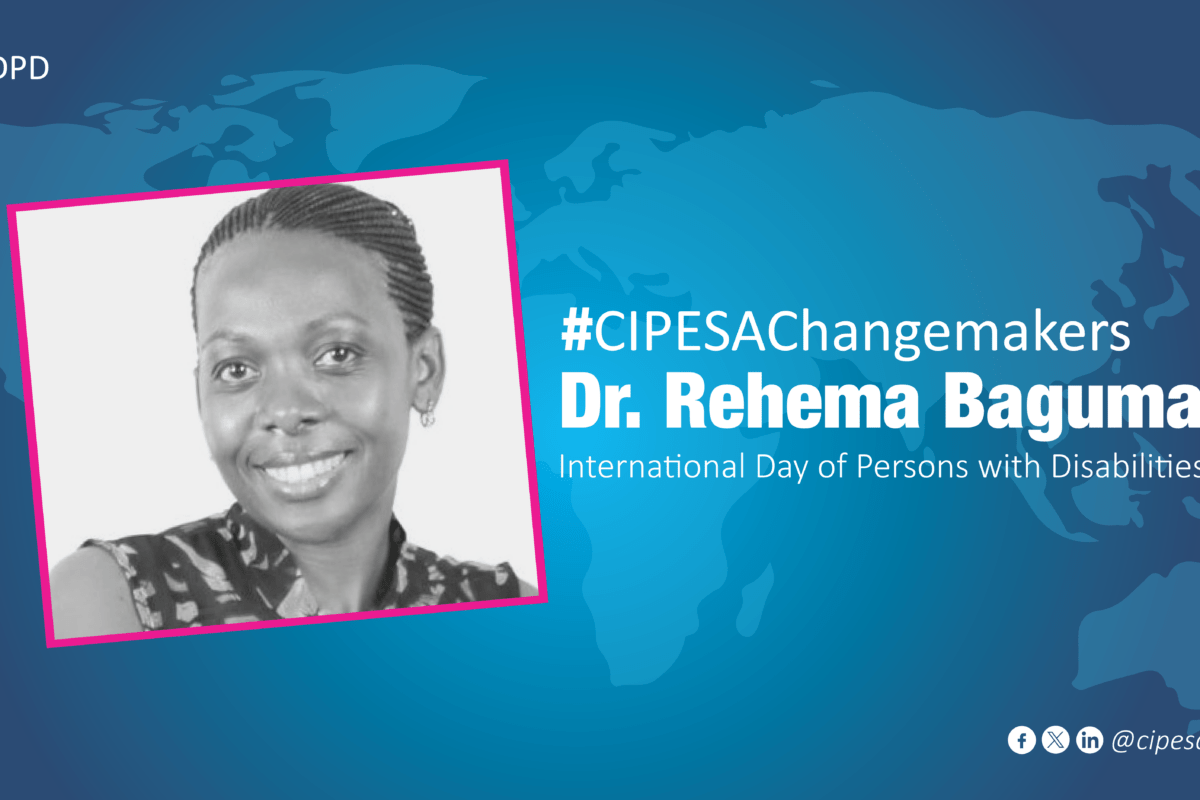
  9. Dr. Rehema Baguma, PhD, Associate Professor of Information Systems,  Makerere University in Uganda.

Dr. Rehema Baguma

Who is Dr. Rehema Baguma?

I am Rehema Baguma, currently working at Makerere University in Uganda, where I serve as an Associate Professor of Information Systems. My research interests include: Digital Inclusion, Data & AI Governance, EduTech & eGovernance. I have extensively researched and consulted in Uganda and neighbouring countries to make ICTs accessible to persons with Disabilities, among other areas. I have had the privilege of engaging in a series of industry initiatives in collaboration with government agencies, CSOs, international actors and DPOs. Notable among these include:

  • Development of ICT Accessibility and Disability Indicators-A framework for monitoring Obligatory National Implementation of ICT Accessibility for the Fulfilment of the Human Rights of Persons with Disabilities for the ICT Policy Centre for Eastern and Southern Africa (CIPESA), in 2018.
  • Leading a research study on the Audit of Inclusive ICTs for Education in Uganda, which established the extend to which ICTs used in education are accessible to Persons with Disabilities (May to September 2015).
  • Training of over 100 Government Web Administrators and Public Relations Officers (PROs) in Uganda in Web Accessibility in 2016.
  • Development of an Implementation Strategy of the Digital Talent Policy (DTP) for Persons with Disabilities in Rwanda (June 2017–January 2018).
  • Sensitisation and training of Policy Makers from Government Ministries, Departments and Agencies about ICTs used by Persons with Disabilities and Monitoring ICTs and Disability Policy in Uganda, in April 2018.
  • Member of the project on promoting the Rights of Persons with Disabilities Access to inclusive education and information in Uganda in partnership with UNESCO, UNICEF & National Union of Disabled Persons in Uganda (NUDIPU) between 2015 to 2017.
  • Contributor to the ICT for Inclusive Education policy for Uganda (draft)
  • Contributor to the National ICT for Disability policy for Uganda (draft)

My motivation came during my PhD research, which focused on Web accessibility through the Web Content Accessibility Guidelines. I was led to the area by a senior staff member at my School at the time, who told me that ICT accessibility could be a good area to research. My PhD research was on “Making the Web accessible to Persons with Disabilities through the Web Content Accessibility Guidelines” which demonstrated that the guidance given in WCAG (the most comprehensive and widely used set of Web accessibility guidelines developed by W3C) is relevant to the Web accessibility problems faced by people with disabilities; that WCAG has a higher potential to influence the development of accessible Web based systems save for its usability limitations; and proposed a solution to the usability limitations of WCAG grounded in a broader mature field of information retrieval. After completing my PhD, I felt compelled to apply the results of my research in practice, which led to several collaborations and assignments within Uganda and abroad.

There is an increasing awareness and appreciation of the need for and possibilities of digital rights, as well as the inclusion of people with disabilities, through advocacy, training, development, and the implementation of digital rights/inclusive ICT policies. This also includes the development of more inclusive technologies and platforms. For example, in June 2025, the government of Kenya committed to making all its digitised public services accessible to persons with disabilities, in alignment with the Accessibility Standard for Digital Products.  Additionally, there is an increasing number of advocacy initiatives focused on digital inclusion for people with disabilities. For instance, the Global Accessibility Awareness Day (GAAD) has evolved into an advocacy platform for inclusive policy audits, innovation labs for assistive technologies, and training programs to build capacity for disability rights advocacy and technology development.

There is an increase in the development of AI-driven Assistive Technologies and Tools for persons with disabilities, including those customised for the African context. For example, Signvrse, a Kenyan startup, is developing AI-powered sign language translation toolsthat convert speech and text into visual representations of sign language. Additionally,there are several advocacy and capacity-building efforts in different parts of Africa, such as accessibility audits, innovation labs, and fellowship programs to support affordable, local assistive technologies, and train Activists to advance digital inclusion for Persons with Disabilities.

The key threats and challenges to the digital rights and inclusion of people with disabilities in Africa are gaps in policy implementation and enforcement, the high cost and inaccessibility of assistive technologies, and general infrastructure gaps. Most African countries have progressive laws and policies regarding disability and ICT access; however, these often remain on paper due to a lack of political will and weak enforcement mechanisms. For instance, a legal requirement for all TV stations to provide sign language interpretation is often ignored. Also, government websites and e-services, which are increasingly vital for accessing public services, are frequently not designed to be accessible to people with disabilities (e.g., lacking alt text for screen readers or video captions). Further, essential assistive devices and software (like screen readers, Braille displays, and speech input software) are often expensive and out of reach for most people with disabilities who are, on average, poorer than their mainstream counterparts.

Additionally, unreliable electricity, poor internet connectivity, and the high cost of mobile data in many rural and remote areas create fundamental barriers to access for disadvantaged groups like People with Disabilities. Additionally, AI systems, including those used in screening for admission to educational institutions and job recruitment, may amplify existing discrimination and perpetuate negative stereotypes if not designed with accessibility and inclusion in mind. Moreso, the continent-wide limited availability of reliable and disaggregated data on the challenges faced by different disability groups continues to negatively impact the design and implementation of targeted interventions and policies. 

Building trust, fostering strong partnerships, and promoting regional collaboration in Africa’s disability rights movement requires intentional structures, shared power, and sustained dialogue among governments and various stakeholders.  There is a need for a shared rights-based framework grounded in the UN Convention on the Rights of Persons with Disabilities (CRPD) and African human rights instruments. People with disabilities and their representative organisations must be decision-makers, not just consultees, in line with the principle of “Nothing About Us Without Us”.  Also, tracking commitments and progress should be spearheaded by independent monitoring mechanisms led by Disabled Persons’ Organisations (DPOs). Furthermore, there is a need to establish permanent regional or sub-regional forums on disability rights and digital inclusion, rather than holding one-off events. These can be organised into thematic working groups (e.g., digital accessibility, education, employment, media, assistive technology, AI, etc.). Examples of good practice include national and regional Internet Governance Forums (IGFs) that feature disability-focused tracks, as well as the AU- or REC-hosted Disability and Digital Inclusion Roundtables, which have rotating leadership. Additionally, there is a need to utilise regional standards to align efforts and reduce fragmentation, thereby facilitating easier collaboration across borders. Furthermore, there is a need to invest in capacity building across all sectors on accessibility, disability budgeting, and inclusive policy design for governments; disability-inclusive and non-stigmatising reporting for journalists; universal design and accessibility testing for the tech development community; and policy, research, and digital skills for DPOs.

There is a need to implement community-led digital literacy, design accessible & affordable technology, create inclusive policies, foster multi-stakeholder partnerships (including NGOs, tech companies, and government), and collect disaggregated data to tailor programs to their specific needs. Additionally, it is important to involve these groups in decision-making to foster trust and develop solutions that address the unique barriers of cost, accessibility, and safety concerns. 

There is a need to promote research and innovation in ICT and disability/ICT accessibility for persons with disabilities, which can inform local policy, practice (including the development of interventions), and technology development for persons with disabilities. To date, most efforts have focused on advocacy, policy development, capacity building, and, to some extent, the development of assistive technologies. Grounding these initiatives in research can lead to more effective policies, practices and local assistive technologies.

Dr. Karen Smit

Who is Dr. Karen Smit?

I am a mother, wife, sister, expert, and a professional with a disability who has dedicated my life to advocating for the inclusion of persons with disabilities in Africa. My lived experience has shaped my worldview and strengthened my commitment to social justice, particularly in advancing digital inclusion, so that persons with disabilities can fully enjoy their human rights and access opportunities. For 28 years, I have worked at Vodacom, driving disability inclusion and influencing systemic change.

I have been married to my wonderful husband for 31 years, and being a mom reminds me every day that miracles do happen.

My journey as a disability and digital rights advocate began shortly after completing my undergraduate studies in the 1990s, when I realised the power of using my voice to make a meaningful difference in people’s lives. I completed my MA in Social Work at the University of Stellenbosch, where I identified barriers to employment for individuals with disabilities and provided guidelines for line managers on the successful recruitment of candidates with disabilities.

The turning point came when I experienced the enabling role of technology firsthand. Becoming a user of accessible technology revealed its power to open doors, level the playing field, and create opportunities. This realisation fueled my passion to drive accessibility and digital inclusion across Africa. My vision is clear: I want all Africans with disabilities to fully participate in the digital society and economy – accessing opportunities, resources, and becoming active citizens who contribute to economic empowerment.

Over the past 28 years at Vodacom [in South Africa], my advocacy has deepened significantly as I pushed for inclusive innovations. The company’s senior leadership created a platform that empowered me to champion inclusion for employees and consumers with disabilities. The unwavering support of Vodacom’s Group CEO and senior leaders has been transformative – shifting the focus from a “tick-box” approach to embedding inclusion systemically into the company’s technology, products, services, and processes, in alignment with Vodacom’s Purpose Strategy.

Having worked for Vodacom for many years and being responsible for driving the accessibility agenda for consumers with disabilities sparked my interest in pursuing a PhD in disability studies, with a focus on developing a Framework for promoting the digital inclusion of disabled consumers that companies can implement.

There has been some progress in expanding digital rights and inclusion for persons with disabilities in Africa, but it remains limited. In many ways, we are still only scratching the surface. I am, however, encouraged that some countries are taking active steps to promote disability inclusion, which is a positive sign. Most African nations have disability legislation and regulations in place, which is commendable.

However, the real challenge lies in implementation and creating real impact. Progress is slow, and without effective enforcement and commitment, transformation stalls, leaving behind many persons with disabilities.

Vodacom markets have several disability inclusion initiatives, including creating inclusive workplaces, accessible contact (customer service) centres, and retail stores offering multiple communication channels for persons with various disabilities. Additionally, digital centres provide smartphones and digital skills training to organisations for persons with disabilities.

The company also provides text Emergency Services for Deaf, hard-of-hearing, and persons with speech disabilities, accessible apps such as M-Pesa and VodaPay for visually impaired users, [it] hosts the annual Africa Accessibility conference, and offers tailor-made packages for disabled contract users, as well as training for store consultants.

Furthermore, the African Union (AU) Protocol to the African Charter on Human and Peoples’ Rights (ACHPR) on the Rights of Persons with Disabilities in Africa recently came into effect to protect and promote the rights of persons with disabilities across Africa. In 2025, Kenya enacted a progressive Persons with Disabilities Act, 2025 (Act No. 4 of 2025), marking a major milestone in disability inclusion and rights protection.

Research indicates that there are several barriers that persons with disabilities face, such as affordability, a lack of digital skills, and limited access to devices. Women with disabilities and those in rural areas face compounded barriers due to cultural norms, infrastructure gaps, and affordability challenges.

Meanwhile, with the emergence of new technologies, intentional efforts must be made to ensure that Artificial Intelligence (AI) systems are not trained on biased datasets that fail to represent persons with disabilities. Innovators must prioritise accessibility when designing solutions for smart cities, environmental sustainability, safety, security, and tourism.

To stay ahead, we must involve the disability community at every stage – from the conceptualisation of innovations to implementation – ensuring their voices shape innovation. This transforms persons with disabilities from passive beneficiaries into active partners and co-creators of solutions for a barrier-free Africa.

To build trust, foster partnerships, and strengthen regional collaboration among African stakeholders in the disability rights movement, it is essential to create a unified ecosystem that drives systemic change. These actors must recognise that disability is a natural part of the human experience and that exclusion stems from societal barriers, not just individual limitations. When these barriers are removed, persons with disabilities can fully exercise their rights and participate equally in all aspects of life.

Efforts to promote digital rights and inclusion in Africa must intentionally address how disability intersects with other marginalised identities – such as women, youth, and older persons – so that no one is left behind. Women with disabilities represent more than half of all persons with disabilities worldwide, and yet they continue to face numerous barriers, including being less likely to hold leadership roles, to be employed, to use the internet, and to experience barriers to sexual and reproductive healthcare. Their voices and specific needs must be prioritised and integrated into every stage of innovation and policy development to ensure an inclusive society for all.

1 2 3 8